
Abstract of the chapter
The question of “pluralism” is different in public spaces and in private spaces. Usually, the discussion on city and pluralism is focused prevalently on public spaces. The central idea of the paper is that it is interesting to explore the problem of pluralism in private spaces also. The relevant point is that the issue of pluralism in private spaces (such as homeowners associations and shopping malls) creates intricate and specific problems, particularly for the classical liberal outlook: in these spaces there is in fact a clash between freedom (of association and contract) and pluralism (of the conceptions of the good).
Sinopsis of the book
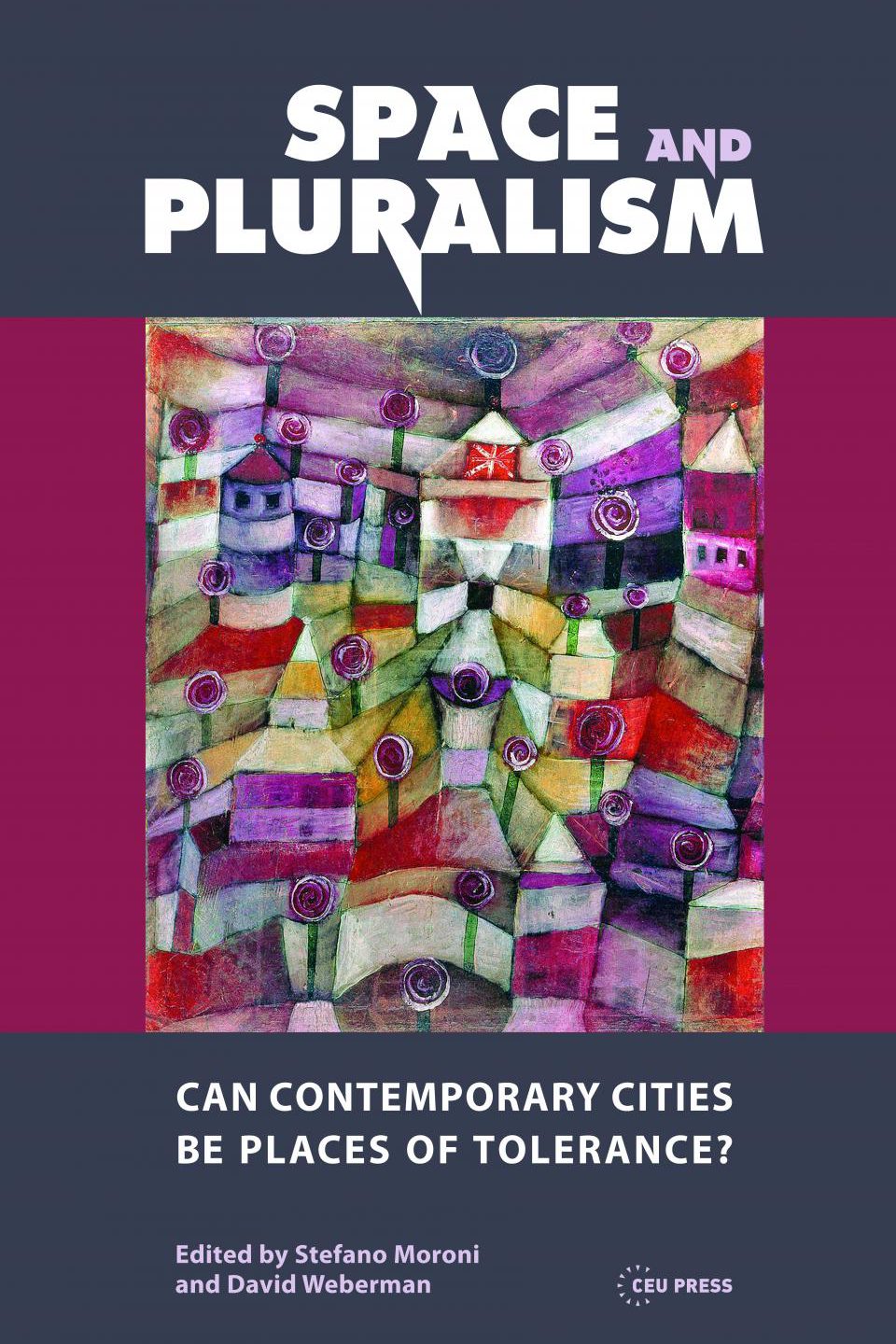
This book addresses the social, functional and symbolic dimensions of urban space in today’s world. The twelve essays are grouped in three parts, ranging from a conceptual framework to case descriptions rich with illustrations. They provide a valuable service in exploring the nature and significance of social space and particular aspects of its contemporary distribution and contestation. The book addresses a topic that is intrinsically interdisciplinary. Questions of space are examined from a rich variety of disciplinary perspectives in a welcome range from urban planning to political philosophy, shedding a good deal of light in the process. The issues in focus include the dichotomies of public and private space, discussion of rights and duties with regard to the use of space, or conflicts over its allocation. Well reasoned and presented discussion is offered from the perspective of basic values and rights. The policy issue of institutional recognition of the specifics of (minority community) identity is raised in opposition to abstract distributive accounts of justice.