
Sinopsis
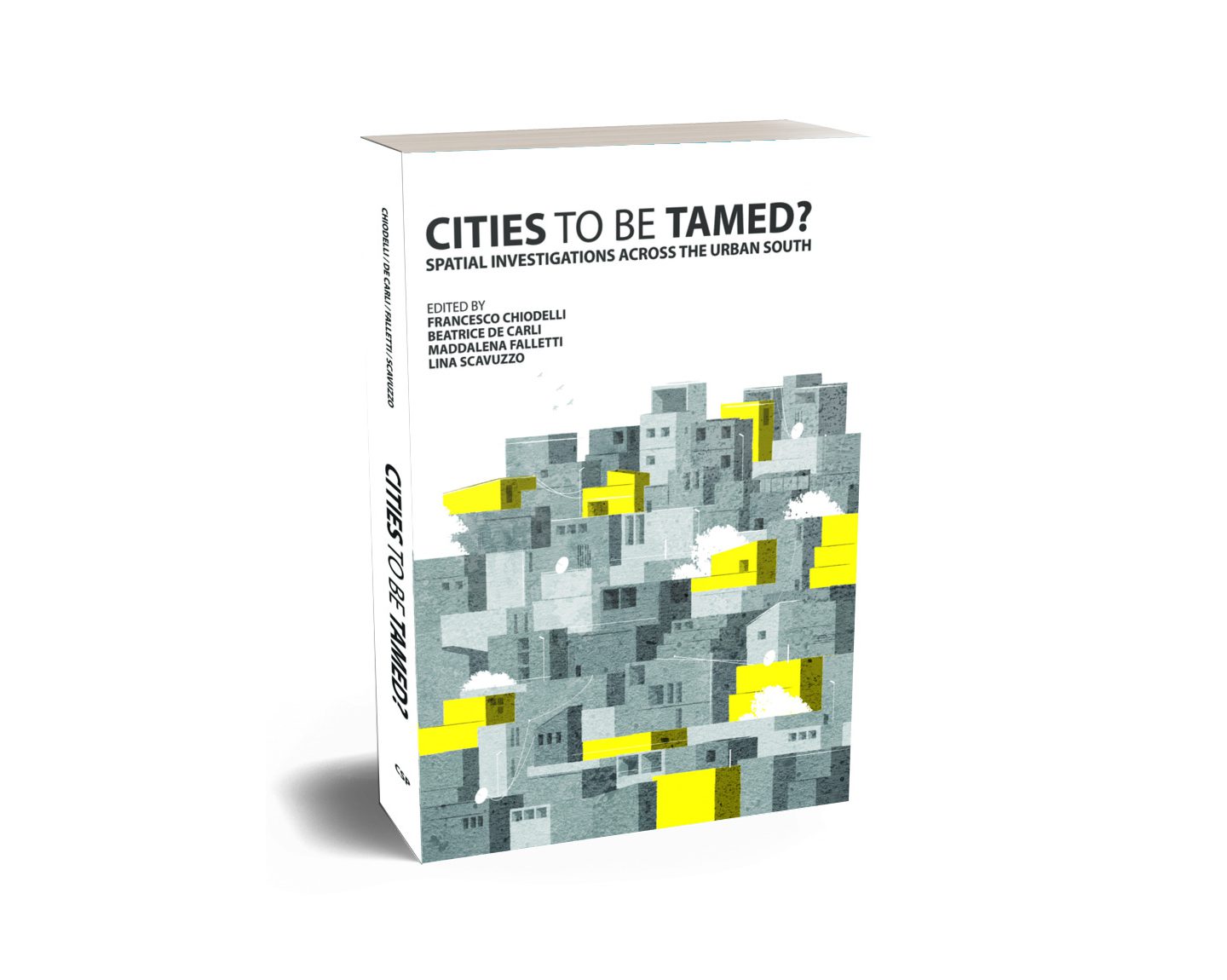
Across the global South, the rapid urbanisation and uneven development that have occurred over the past few decades have brought to the surface a tight connection between social conflicts and urban space. Indeed, the physical conformation of urban space is one of the primary factors that trigger social tensions, with repercussions at the metropolitan, regional and national scales. Such tensions are related to the conditions of social and spatial inequality which characterise many urban areas across the South; they can also be connected to contingent political and institutional orders which find in the materiality of space both the means and the cause of conflicts among different groups, amidst diverging territorial demands and the overlapping of competing struggles for power. At the same time, new possibilities arise in the concreteness of space, including innovative forms of local activism, adapting strategies of self-organisation, and unconventional relations between the ‘formal’ and the ‘informal’ city. On acknowledging the multifaceted nature of the urban space, there arises a question which constitutes the core problem addressed by the book: are cities to be tamed? This volume gathers a series of cross-disciplinary contributions on these topics, spanning from architecture and urban design, to planning, social theory and geography. These contributions revolve around two core themes. The first concerns the agency of design in contexts of ‘informality’ and centres on the missing/unexpected/pursued exchange between projects and realities. The second concerns the complex relationship between spatial planning, politics, and conflicts in contexts characterised by marked ethnic, political, and social tensions.
Contributors
Alessandro Balducci, Scott A. Bollens, Jeffrey Chan Kok Hui, Francesco Chiodelli, Laure Criqui, Viviana d’Auria, Beatrice De Carli, Bruno De Meulder, Annalies De Nijs, Maddalena Falletti, Nabeel Hamdi, Joud M.I. Khasawneh, Hamed Khosravi, Olivier Legrand, Colin Marx, Carmen Mendoza-Arroyo, Lina Scavuzzo, Erez Tzfadia, Ignacio Castillo Ulloa, Faith Wong and Oren Yiftachel.
Table of contents
Preface
Part I: Spaces of Formal/Informal Interplay
1. Formal/Informal Interplays: Spatial Tensions and Design Practices (Beatrice De Carli and Maddalena Falletti)
2. Practice in the Mess of Informality (Nabeel Hamdi)
3. Crossover Modernisms: Life and Afterlife in Michenzani, Zanzibar (Viviana d’Auria and Annelies De Nijs)
4. Chequered Urbanism: Confrontations Between Culture and Economy in Urbanising Amman (Joud M.I. Khasawneh and Bruno De Meulder)
5. Socio-Spatial Assemblages: The Backbone of Informal Settlement Regeneration (Carmen Mendoza-Arroyo)
6. New Planning Tools? Extending Water and Electricity Networks in Irregular Settlements of Lima, Peru (Laure Criqui)
7. The Spatial Imaginaries of Informal Settlement, HIV and AIDS, and the State in Southern African Cities (Colin Marx)
Part II: Spaces of Power
8. Power in Space: Space Regulation amidst Techniques and Politics in the Global South (Francesco Chiodelli and Lina Scavuzzo)
9. Transformative and Counter-Hegemonic Planning Regimes: South Africa and Lebanon (Scott A. Bollens)
10. Informality as Control: The Legal Geography of Colonisation of the West Bank (Erez Tzfadia)
11. Sovereignty, Planning and Gray Space: Illegal Construction in Sarajevo and Jerusalem (Olivier Legrand and Oren Yiftachel)
12. Politics of Urban Form: Architecture of Tehran (1921–53) (Hamed Khosravi)
13. Unravelling Spaces of Representation through Insurgent Planning Actions (Ignacio Castillo Ulloa)
14. The Contestation of Space and Ethics in Singapore: A Case of Dirty Hands in Planning (Jeffrey Chan and Faith Wong
Afterwords